The 19th edition of the CONGres: Scary Science ‘Congress’ Fright Night’ took place on March 12th, 2025. During this CONGres we delved into scary phenomena from different scientific perspectives.
How can viruses manipulate behaviour? What is Ghost Introgession? What about the terryfing experience called sleep paralysis?
We have found out the answers to all these questions and more at this edition of the CONGres!
The 2025 CONGres is made possible by study association Congo and the Amsterdam University Fund
Plenary speakers:
Vera Ros
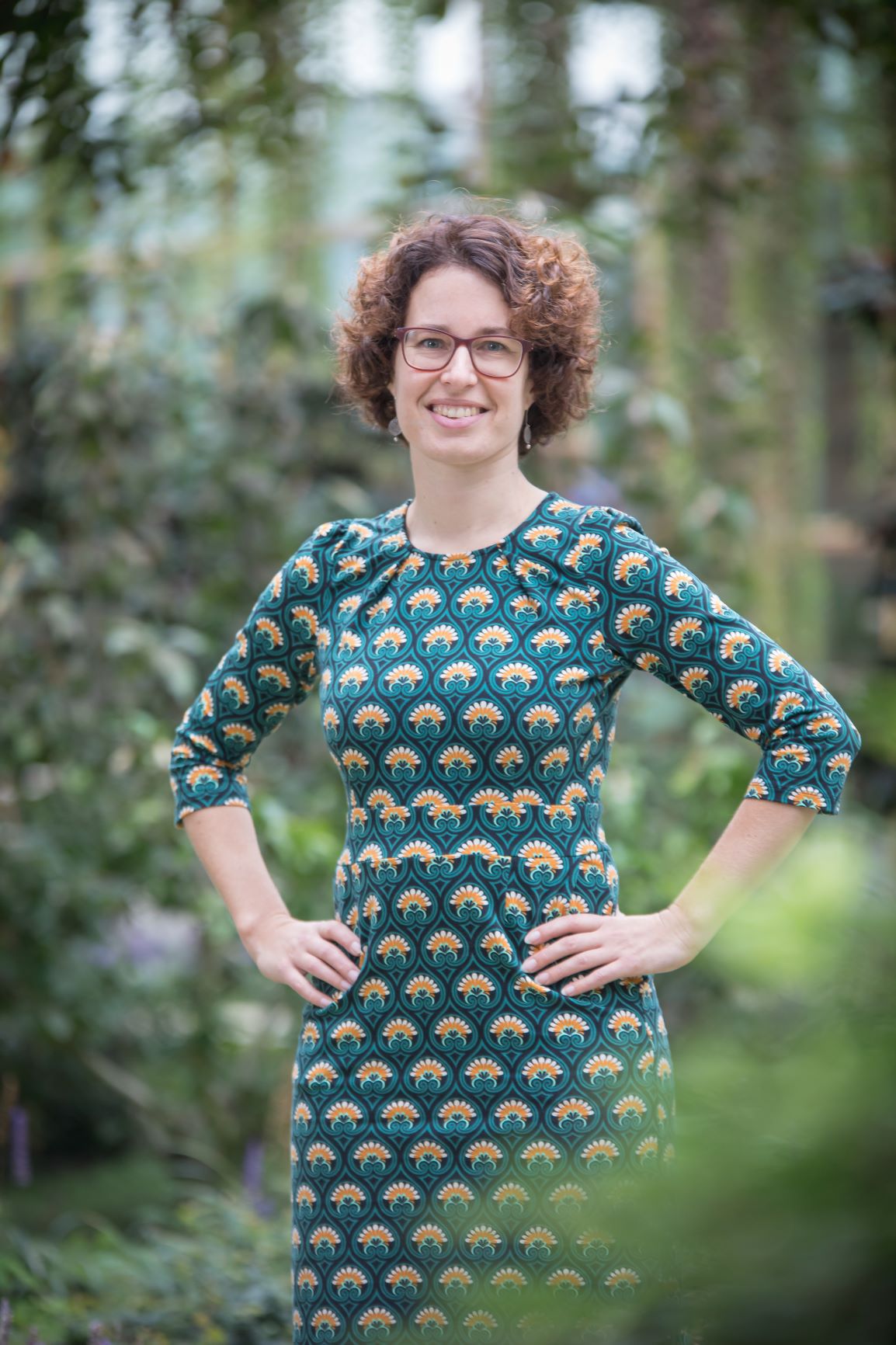
Vera Ros obtained her PhD at the University of Amsterdam (IBED). She worked as a postdoc at the University of Pennsylvania (US) and at Wageningen University, where she is now an Associate Professor at the Laboratory of Virology. She is interested in the evolution of host-parasite interactions, with a focus on interactions between insects and micro-organisms. Her current research includes virus-induced behavioural manipulation, covert (persistent/latent) virus infections in insects and the use of viruses for biological control of insect pests.
Insane in the brain: How viruses manipulate host behaviour
Parasitic modification of host behaviour is a widely adopted strategy of parasites (including viruses) to enhance their own transmission. The examples of behavioural manipulation are rapidly accumulating, covering a broad spectrum of parasites and hosts. Only a few of these parasites are known to manifest and alter these behavioral changes from the central nervous system (CNS) itself (so called neuroparasites), and little is known about the mechanisms behind these alterations. A typical case of behavioural manipulation is found in insects infected with baculoviruses. Infected caterpillars show enhanced mobility (hyperactivity) and climb to the top of plants or the forest canopy prior to death (‘tree-top disease’ or ‘Wipfelkrankheit’). As a consequence, the virus is spread over a larger area, thereby increasing the chance of infecting a new caterpillar. The baculovirus-insect system provides an excellent platform to study parasitic manipulation of insect host behaviour. It allows the comparative analysis between wildtype viruses and single gene knock-out mutants. I will present our work on unravelling how baculoviruses can manipulate caterpillar behaviour, including details on viral invasion of the insect CNS.
Jente Ottenburghs

Jente Ottenburghs earned his PhD at Wageningen University, where he conducted research on the evolution of geese. After two postdoc positions in Sweden (at the Karolinska Institute and at Uppsala University), he now works as a lecturer in ecology at Wageningen University. Apart from teaching various courses and supervising students, he explores the ecological and evolutionary consequences of hybridization in birds.
Ghost introgression: Spooky gene flow in the distant past.
Over 99.9% of all species that ever lived are extinct. But that does not mean that these species are lost forever. Some of them live on in the genomes of other species, including our own. Numerous studies have reported ancient or contemporary gene flow (i.e. introgression) between present-day lineages. In some cases, introgression from an extinct lineage could even be uncovered by sequencing ancient DNA from fossils, a phenomenon known as ghost introgression. In his lecture, Jente will provide an overview of this spooky process across the Tree of Life.
Christopher French
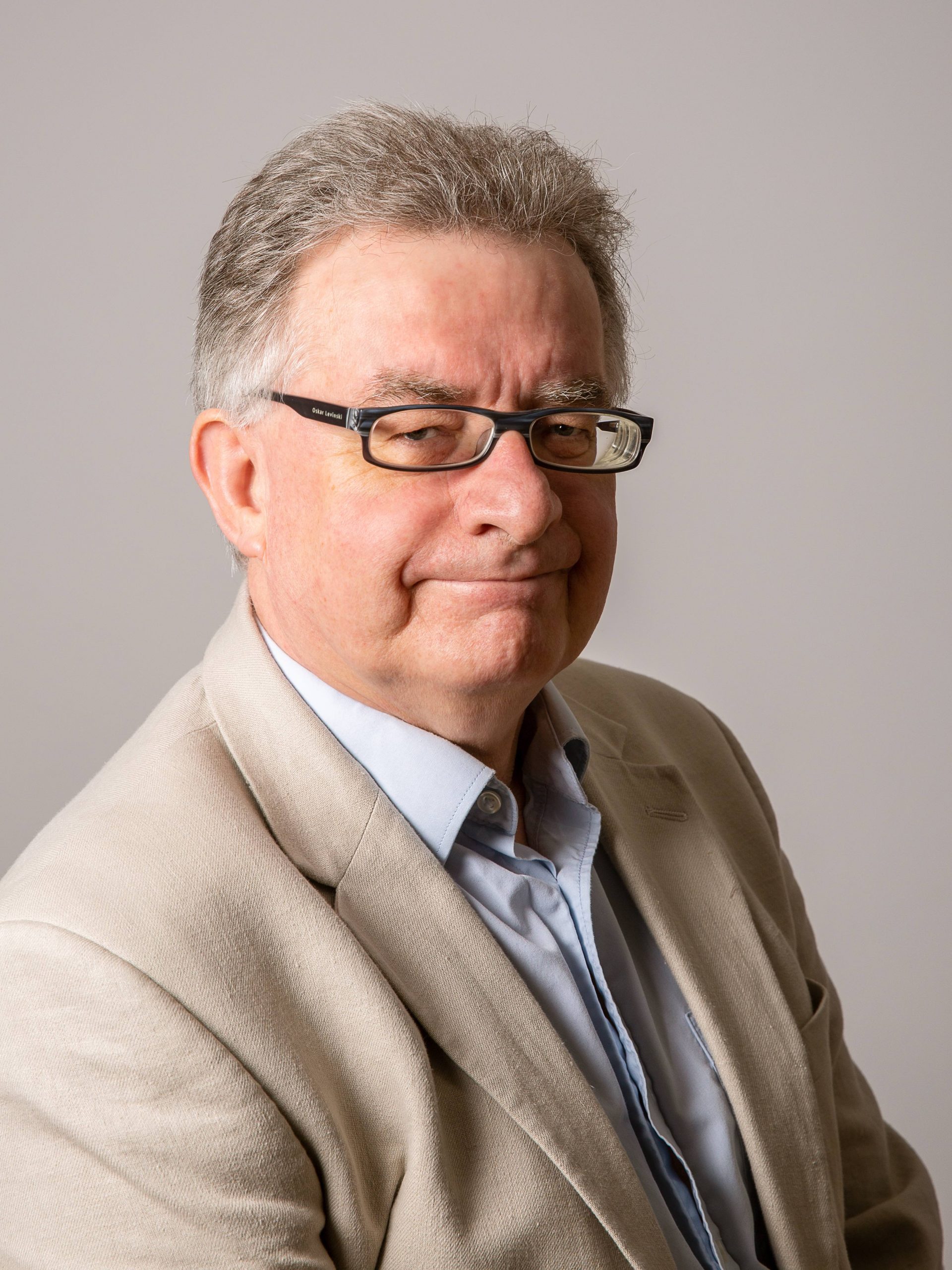
Christopher French is Emeritus Professor of Psychology at Goldsmiths, University of London. His main current area of research is the psychology of paranormal beliefs and anomalous experiences. He frequently appears on radio and television casting a sceptical eye over paranormal claims. His most recent book is The Science of Weird Shit: Why Our Minds Conjure the Paranormal (MIT Press, 2024).
The Terror That Comes in The Night: Sleep Paralysis
Sleep paralysis is a fairly common sleep-related anomaly. In its most basic form, it is simply a temporary period of paralysis that is experienced as one is drifting off to sleep or emerging from it. It is slightly disconcerting but nothing more. However, it can be associated with a range of additional symptoms that can turn it into an altogether more terrifying experience. These include a strong sense of a malign presence, hallucinations, and difficulty breathing. Not surprisingly, such experiences are often interpreted as being paranormal in nature. This talk will present a number of first-hand accounts of sleep paralysis as well as the scientific explanation for the bizarre phenomenon.
Parallel speakers:
Alvaro Lopez
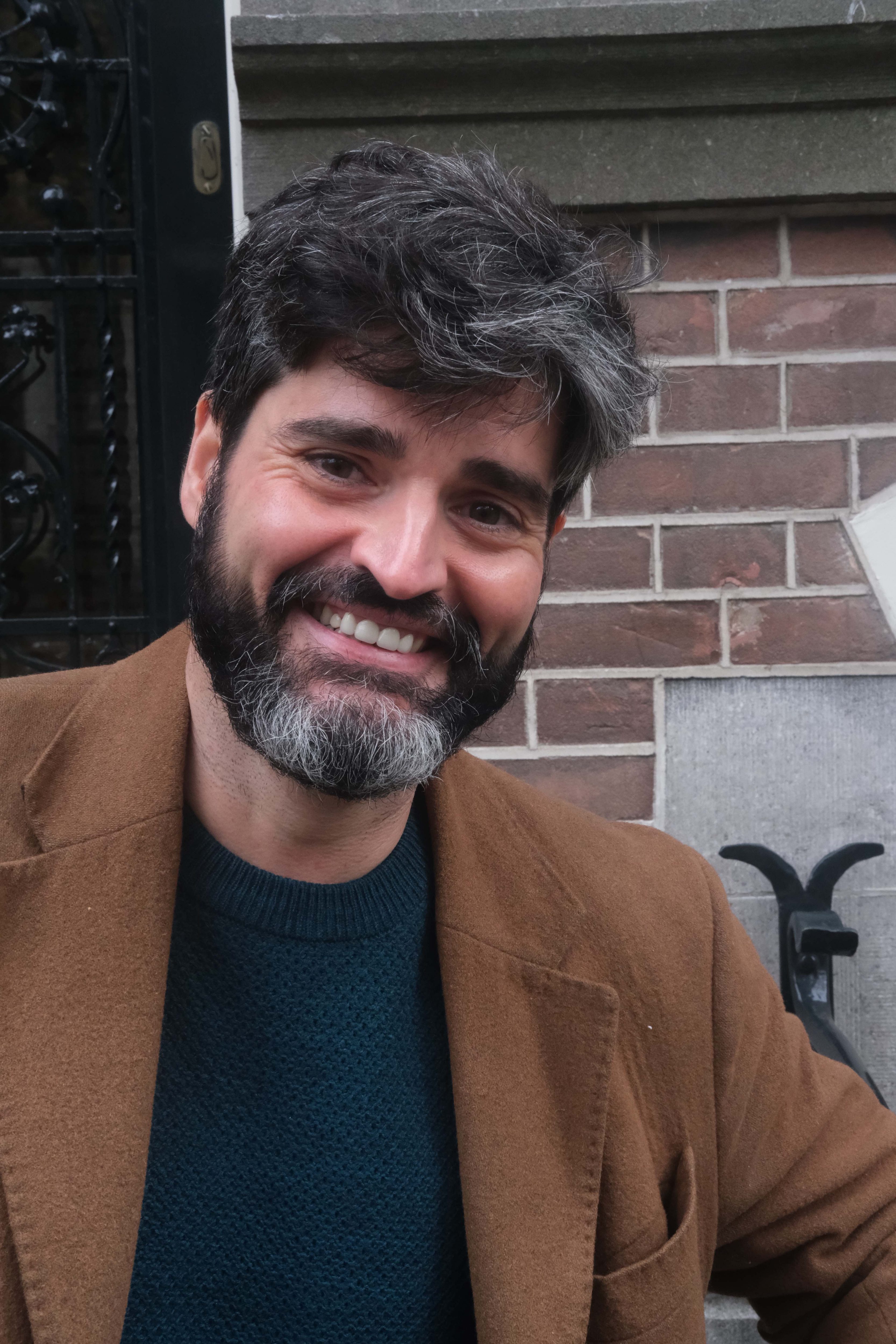
Alvaro Lopez is a cultural analyst and researcher at ASCA (Amsterdam School for Cultural Analysis), University of Amsterdam. His fields are psychoanalysis and media studies within the scope of Cultural Analysis. In his research, he examines the shifting relationship between horror media, contemporary cultural anxieties, and identity on the global landscape.
THE MONSTER ENTERS THE GLOBAL STAGE: HORROR, MONSTROSITY, AND IDENTITY ON THE GLOBAL LANDSCAPE
Why is horror such an alluring genre across cultures and societies? What is the social role of “the monster”? And how do horror and monstrosity relate to our individual and shared experiences and (cultural) identities? In this talk, Alvaro Lopez will discuss the role of horror and the monster as a genre and a figure with deep sociocultural implications across history and cultures. He will move from traditional representations of monstrosity to contemporary deployments of horror in the media, to examine the changing relationship between horror and identity on the global landscape.
Timo Istace
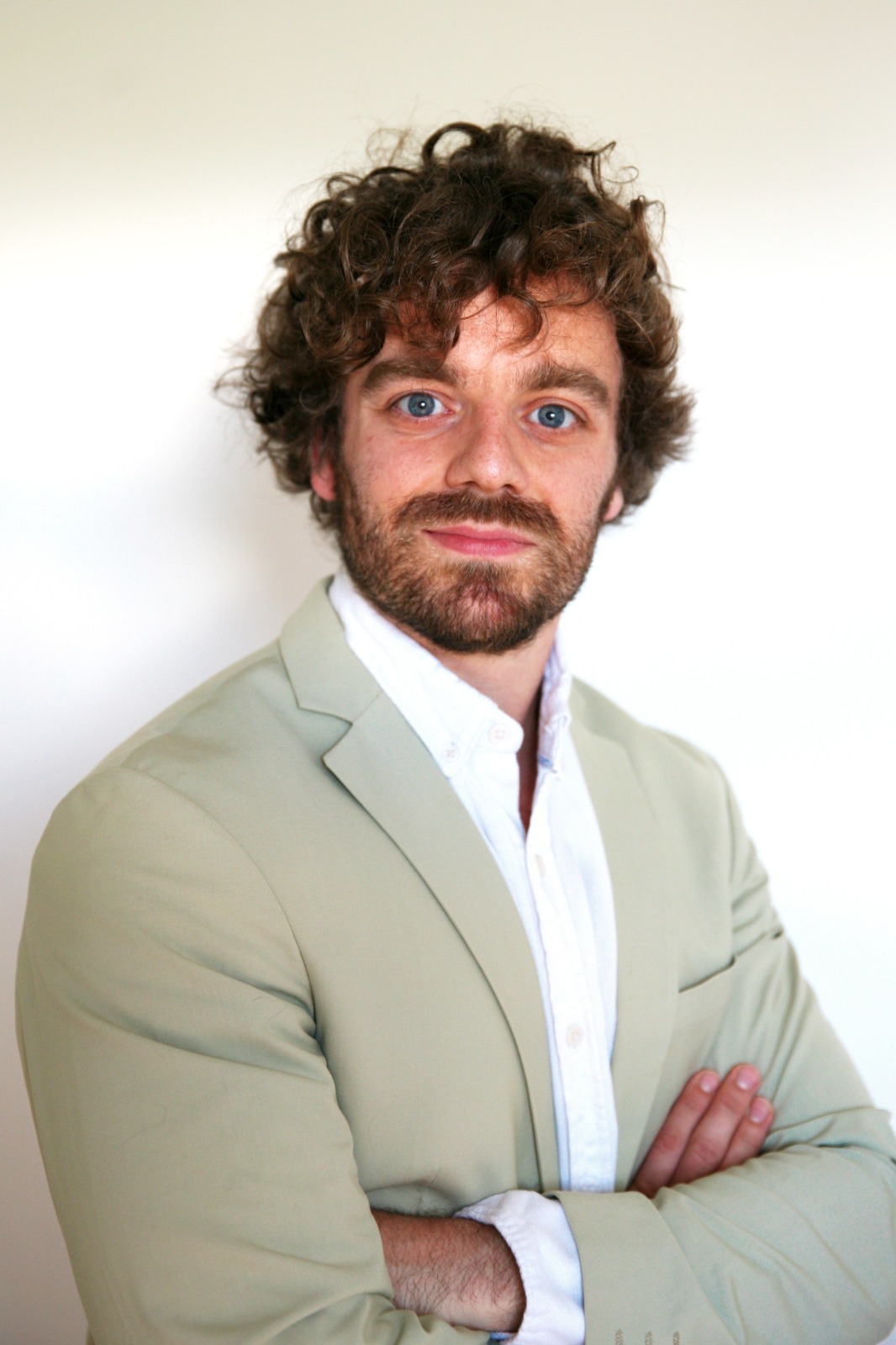
Timo Istace is a PhD researcher at the University of Antwerp and an associate researcher at the Geneva Academy of International Humanitarian Law and Human Rights. His expertise spans human rights law, medical law, (bio)ethics, and philosophy of law. His research focuses on the human rights protection of the human mind in the context of emerging technologies, with a particular emphasis on neurotechnology.
Protecting the Mind: Human Rights in the Age of Neurotechnology
Recent advancements in neurotechnology have captured significant public attention, driven in large part by high-profile media campaigns from companies like Neuralink. These developments generate both excitement and concern, as they push the boundaries of what technology can achieve through interaction with the human brain. Devices capable of monitoring and influencing brain activity have raised pressing concerns about the inviolability of the human mind. While concepts like neurotechnological “mindreading” or “mindsteering” are more science fiction than reality, and much of the hype can be considered overly alarmistic, the ethical and legal questions they raise are real. Neurotechnologies could potentially translate brain activity into insights about our thoughts, emotions, or intentions. Could this pose a new threat to the right to privacy? Similarly, how can we protect the right to freedom of thought when tools that influence mental processes through stimulation of the brain become widely available?
This presentation will explore these critical concerns, focusing on the intersection of neurotechnology and human rights law. It will discuss the challenges and opportunities in ensuring these technologies are developed and deployed responsibly, with human rights serving as a guiding framework to protect mental privacy, autonomy, and integrity in an era of unprecedented technological capability.
Maarten Boudry
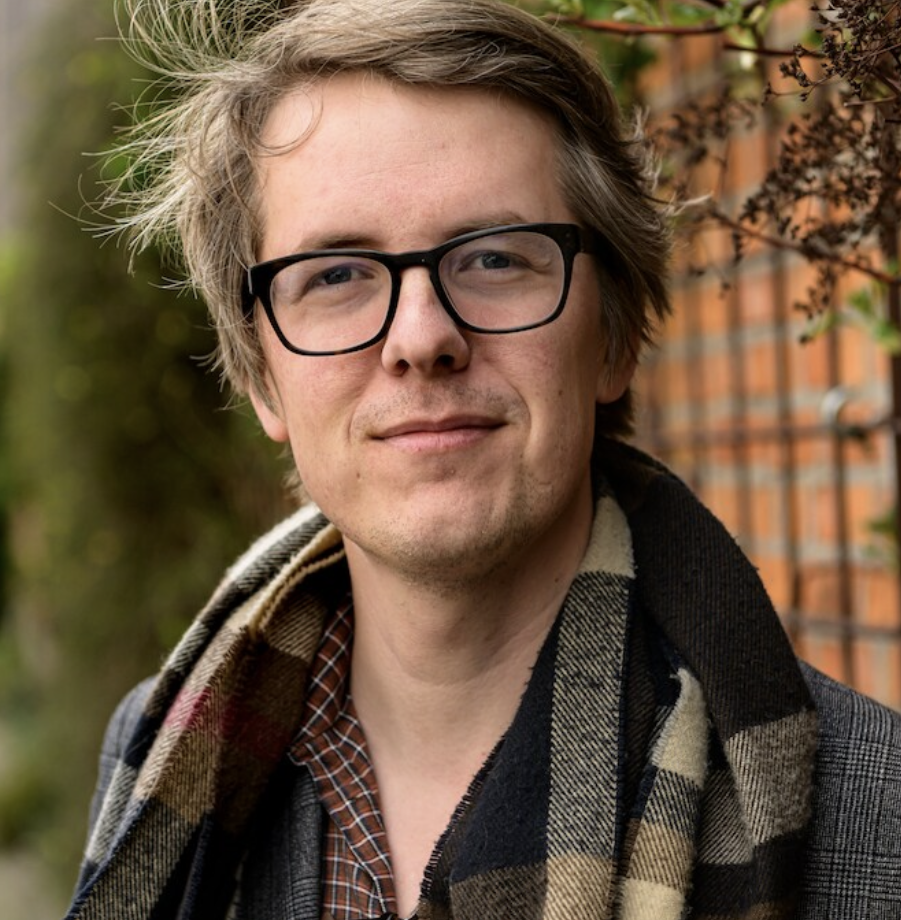
Dr. Maarten Boudry is a philosopher of science and first holder of the Etienne Vermeersch Chair of Critical Thinking at Ghent University. He published over 50 papers in academic journals on pseudoscience, cultural evolution, conspiracy theories, climate policy, science and religion, reasoning fallacies, metaphors in science, and evolutionary epistemology. Together with Massimo Pigliucci, he edited the collections Science Unlimited? On the Challenges of Scientism (2018) and Philosophy of Pseudoscience. Reconsidering the Demarcation Problem (2013). He also wrote six books in Dutch on science and philosophy for the general audience, and has written essays for Quillette, The Independent, The New York Times (The Stone), Areo Magazine, Le Point, Die Welt, and other newspapers.
How Not to Fall Into an Intellectual Black Hole: On the Allure of Conspiracy Theories
Some conspiracies are real, as any historian will tell you, but people believe in many more unfounded conspiracy theories than there are actual conspiracies to go around. Some of these unfounded conspiracy theories, such as anti-vaccination scares or QAnon, have become major public concerns. Everyone is susceptible to conspiracy thinking—intelligent and educated people no less. What explains the remarkable cultural success of some conspiracy theories, despite their implausibility? And how can we protect ourselves against their allure? By understanding what makes them tick, or so I propose. In my talk, I describe the inner logic of conspiracy thinking, developing a simple recipe to generate conspiracies around any event from your local newspaper or from history books. Anyone can make their own conspiracy theory! In fact, we have developed an automatized Conspiracy Generator, using the power of AI. With this generator, you can fabricate multiple and contradictory conspiracy theories around any given event, using a few simple parameters.